
If you’re researching india tour packages for German travelers, you’re likely weighing up circuits, cost, and timing before booking your first trip to India. For Germans dreaming of a genuinely different kind of holiday, India offers something few other long-haul destinations can match — a rich blend of history, culture, nature, and value for money, all within a single, well-connected trip.
Interest in india tour packages from Germany has grown steadily in recent years, as more German travelers look beyond familiar destinations toward something that offers deeper cultural immersion without an exhausting journey. With direct flights from Frankfurt and other major German hubs, India has become considerably more accessible than many travelers realise, and a well-organised india reise no longer requires the level of independent planning it once did.
This guide walks through what a well-structured india tour package looks like specifically for German travelers — flight options, visa requirements, best circuits, typical costs in euros, regional considerations, and the practical details that make the difference between a smooth trip and a stressful one. Whether you’re planning a two-week india urlaub or a longer multi-region journey, the fundamentals covered here apply across almost every itinerary.
We’ve written this guide the way we’d want it written for our own first trip — honest about costs, clear about what to expect, and specific enough to actually help with planning rather than offering vague, generic travel advice.
Why India Appeals to German Travelers
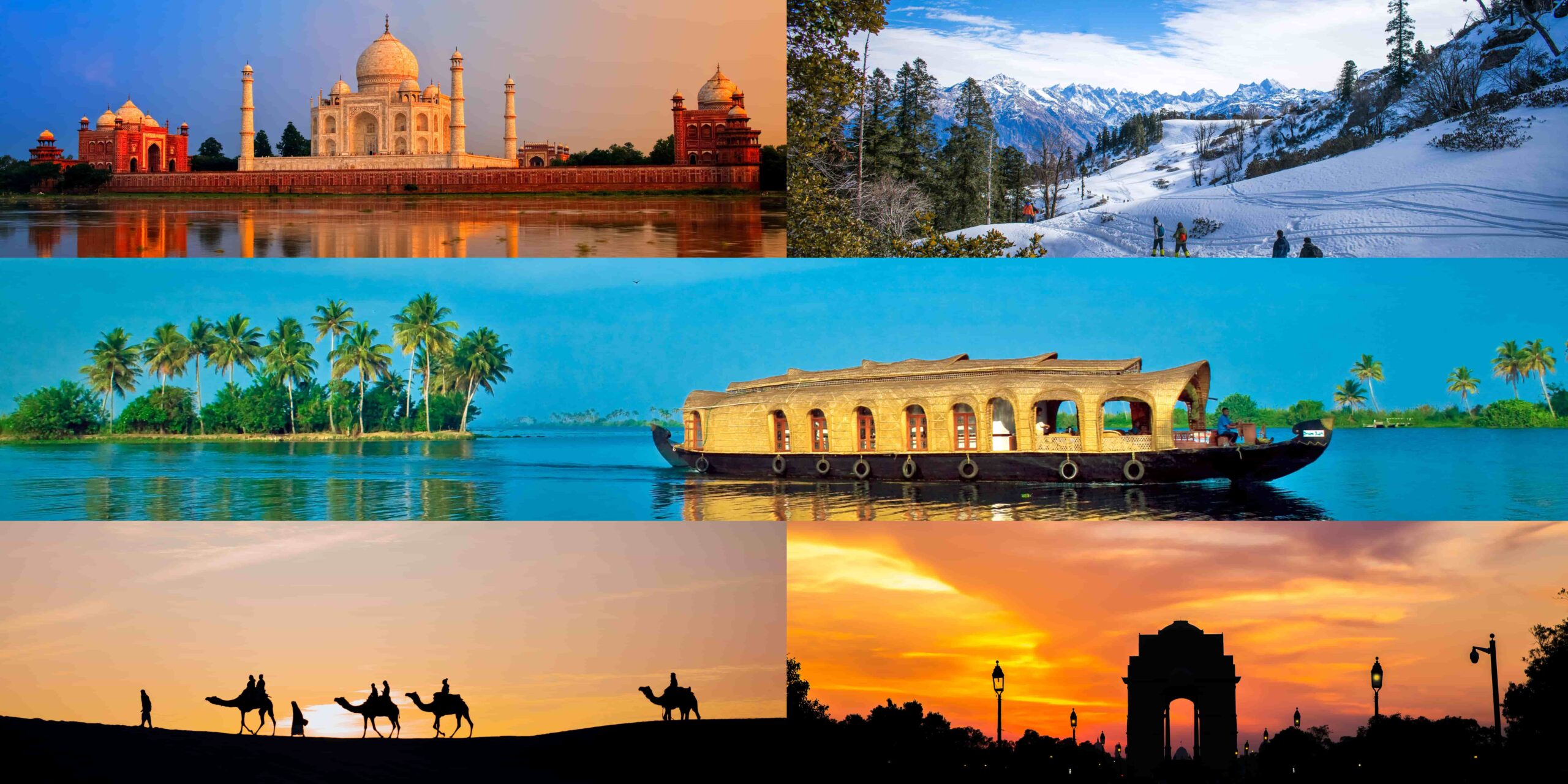
Germans are, on average, some of the most experienced long-haul travelers in Europe, and India consistently ranks among the destinations that reward that experience the most. The appeal isn’t just the Taj Mahal or the Golden Triangle — it’s the combination of deep historical architecture, distinctly different daily life, and landscapes ranging from Himalayan foothills to tropical backwaters, all reachable within a single well-planned itinerary.
Value for money plays a meaningful role too. India tour packages typically offer considerably more per euro than equivalent trips through Southeast Asia or South America, particularly when factoring in private transport, heritage accommodation, and guided experiences that would cost noticeably more elsewhere. A palace hotel stay in Rajasthan, for instance, often costs a fraction of a comparable historic property in Germany or Austria.
German travelers researching india tour packages also tend to place a high value on structure and reliability — clear inclusions, punctual transport, and well-organised logistics. This is one of the more common questions German travelers ask before booking: whether an operator can genuinely deliver the same reliability abroad that they expect at home, given India’s reputation for a more improvised travel culture. The honest answer is that reliability in India comes almost entirely down to the operator, not the destination itself — which is precisely why choosing the right india tour package matters more here than in more infrastructure-uniform destinations.
There’s also a growing segment of German travelers specifically seeking wellness and slow-travel focused india tour packages, drawn by Ayurvedic traditions, yoga retreats, and Kerala’s well-established medical tourism infrastructure — a category that has grown considerably in the German market over the past few years alongside broader interest in mindful, less rushed travel.
Flight Options and Timing from Germany
Direct flights from Frankfurt to Delhi typically take around 8 hours, making India one of the more time-efficient long-haul destinations available to German travelers. Lufthansa and Indian carriers both operate frequent direct routes, while smaller German airports (Munich, Berlin, Hamburg) often connect via one-stop routes through Frankfurt, Doha, or Dubai.
Booking 3-4 months in advance typically secures the best fares, particularly for travel during India’s peak season (October to March), which conveniently overlaps with colder months across Germany. German travelers planning india tour packages around Christmas or New Year should expect to book considerably earlier, given the surge in demand during this window.
Layover routes via Gulf carriers (Emirates, Qatar Airways, Etihad) sometimes offer more competitive pricing than direct Lufthansa routes, particularly for departures from German cities outside Frankfurt, and are worth comparing before booking a direct flight by default.
Visa Requirements for German Citizens
German nationals are eligible for an India e-Visa, applied for entirely online, making the process considerably simpler than a traditional embassy visit. Processing typically takes a few days, though applying at least 2-3 weeks before departure is a sensible buffer, particularly during peak booking season when processing volumes increase.
It’s worth applying directly through the official Indian government e-Visa portal rather than third-party sites that charge a markup for the same service — a mistake that catches out a surprising number of first-time German visitors researching india tour packages independently.
Multiple-entry e-Visas are worth considering for German travelers planning to combine their India trip with a side excursion to Nepal or Bhutan, an increasingly popular addition among travelers with three or more weeks available for their india reise.
What a Good India Tour Package Should Include
For German travelers, a well-structured tour package should include private, air-conditioned transport throughout, an experienced English-speaking (or, where available, German-speaking) guide, vetted mid-range to luxury accommodation, and a realistic daily pace that avoids the common mistake of over-scheduling.
Transparent, itemised pricing matters more here than it might elsewhere — German travelers researching india tour packages consistently favour operators who provide clear cost breakdowns over vague “starting from” figures that exclude key inclusions like entry fees or airport transfers.
A genuinely well-designed india tour package for German travelers should also account for the initial adjustment period that comes with a significantly different pace of life, building in a lighter first day or two rather than launching straight into intensive sightseeing immediately after a long-haul flight.
Best Circuits for German Travelers
Golden Triangle: Delhi, Agra & Jaipur — India’s Iconic Introduction
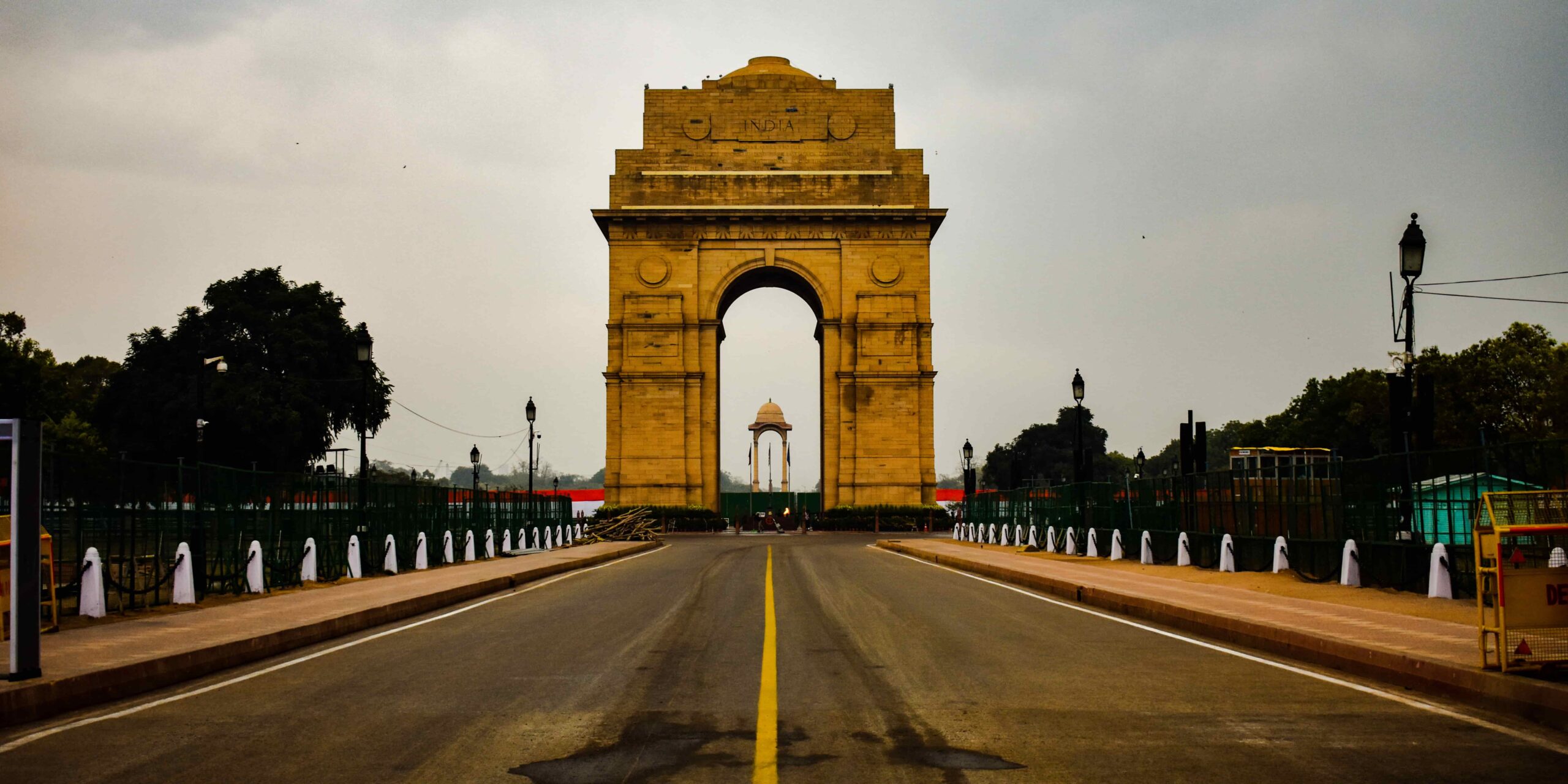
The Golden Triangle remains the most recommended introduction for first-time German visitors, and it’s easy to see why once you look at what it packs into a single, manageable itinerary. Delhi offers a genuine mix of Mughal-era monuments and modern city life, Agra is home to the Taj Mahal itself, and Jaipur’s Amber Fort and pink-hued old city round out a circuit that feels both historically rich and logistically simple to navigate.
This circuit forms the backbone of the large majority of india tour packages marketed specifically to German travelers, typically spread across 5-7 days with strong tourist infrastructure, well-established hotels, and short driving distances between each stop. For a first trip to India, it’s the circuit that consistently delivers the clearest sense of why the country draws so many returning visitors.
Rajasthan’s Wider Circuit: Udaipur, Jodhpur & Jaisalmer — Royal Heritage and Desert Landscapes
Extending beyond Jaipur into Udaipur, Jodhpur, and Jaisalmer opens up a considerably deeper side of Rajasthan, appealing strongly to German travelers wanting more than a surface-level introduction. Udaipur’s lakeside palaces, Jodhpur’s blue old city beneath a hilltop fort, and Jaisalmer’s golden desert fortress each offer a distinctly different atmosphere within the same state, making the extended circuit feel varied rather than repetitive.
The heritage hotel scene across this wider circuit — converted palaces and centuries-old havelis turned into boutique accommodation — resonates particularly strongly with German travelers accustomed to their own continent’s historic properties. For travelers with 10-14 days available, this extended Rajasthan circuit tends to be the single most requested addition to a standard Golden Triangle itinerary.
Kerala: Backwaters & Ayurveda — A Slower, Greener South
Kerala offers a completely different pace from the north, and for many German travelers, it’s exactly this contrast that rounds out a longer india tour package well. Houseboat stays along the backwaters, tea-covered hill stations, and a noticeably calmer daily rhythm make Kerala feel like a genuine change of scene rather than more of the same sightseeing.
This region has grown particularly popular among German travelers specifically seeking wellness-oriented india tour packages built around Ayurveda and slower, more contemplative travel. Combined with the Golden Triangle or Rajasthan earlier in a trip, Kerala gives a longer itinerary a natural sense of arc — from monuments and history toward rest and reflection by the final week.
Varanasi: The Spiritual Circuit — India’s Oldest Living City
Varanasi draws a specific segment of German travelers interested in India’s religious and philosophical traditions, offering an experience that feels markedly different from the rest of the standard tourist circuit. The city’s ghats along the Ganges, its early-morning boat rides, and its centuries of continuous spiritual practice make it one of the more genuinely affecting stops on a longer itinerary.
It’s often combined with the Golden Triangle for a deeper, more reflective two-week trip rather than booked as a standalone destination, since Varanasi rewards a traveler who’s already had a few days to acclimatise to India’s pace. For German travelers specifically drawn to the philosophical or historical side of India tour packages, it’s consistently one of the most memorable additions to an itinerary.
Ready to compare options? Chat with us directly on WhatsApp — we can walk through package options and pricing based on your dates and priorities.
Typical Costs for German Travelers
A standard 7-day Golden Triangle tour package, including private transport, mid-range accommodation, and a guide, typically costs between €450 and €1,100 per person, excluding international flights. A 10-14 day itinerary extending into Rajasthan or Kerala generally runs €800 to €1,900 per person, depending on hotel category and group size.
Longer 3-week india tour packages combining multiple regions — Golden Triangle, Rajasthan, and Kerala — typically fall between €1,800 and €3,500 per person on mid-range packages, with luxury heritage-hotel versions running considerably higher.
These figures typically include domestic transport, accommodation, most meals on organised days, and entry fees — one of the main advantages of a structured package over piecing together independent travel, particularly for German travelers unfamiliar with negotiating local transport and pricing independently.
Group size affects per-person costs meaningfully. Couples travelling together generally see better per-person value than solo travelers on private india tour packages, since fixed costs like a dedicated car and driver are split across more people, and small groups of four to six travelers often see the most favourable per-person pricing overall.
Best Time to Visit India from Germany

October through March offers the most comfortable travel conditions for most of the popular circuit, conveniently overlapping with colder months across Germany. This makes it the most popular window for German travelers researching india tour packages, though it’s also peak season, meaning earlier booking secures better availability and pricing.
Shoulder season months (October and March specifically) offer a useful compromise for German travelers wanting comfortable weather without the very highest peak-season pricing that hits particularly hard around December and January, when demand from German travelers planning an india urlaub over the holidays peaks sharply.
How German Travelers Differ From Other International Visitors
German travelers researching india tour packages often bring a distinct set of priorities compared to, say, Australian or American visitors. Punctuality and clearly communicated logistics tend to rank especially high, given German travel culture’s general expectation of precise scheduling — something worth discussing directly with any operator before booking, since India’s on-the-ground pace can differ meaningfully from what German travelers are accustomed to at home.
Sustainability and responsible tourism considerations also feature more prominently in German travel decision-making than in some other markets, with a growing number of German travelers specifically asking operators about locally-owned accommodation and the environmental footprint of their itinerary before booking an india tour package.
Common Questions German Travelers Ask Before Booking
Many first-time German travelers researching india tour packages have similar underlying concerns: how reliable is transport and scheduling compared to what they’re used to at home, how much should genuinely be budgeted beyond the headline package price, and how physically demanding is a typical multi-city Indian itinerary. Language support is another recurring question, since not every operator offers German-speaking guides, and confirming this in advance avoids disappointment on arrival.
These questions are worth addressing directly with any tour operator before booking, since the answers meaningfully affect trip planning, budgeting, and overall expectations for what an india reise will actually involve day to day.
Practical Tips for a Smooth India Trip From Germany
Adjusting to India’s pace in the first two to three days makes a noticeable difference to how the rest of the trip feels — German travelers accustomed to highly structured daily schedules sometimes find it helpful to deliberately build in slower first days rather than diving straight into a packed itinerary.
Carrying a physical copy of key documents (passport, e-Visa confirmation, travel insurance) alongside digital versions is a small habit that avoids unnecessary stress if phone access becomes unreliable at any point. Similarly, informing your German bank of travel dates in advance prevents card transactions from being unexpectedly blocked while abroad.
Packing a universal adapter and a portable power bank is worth doing regardless of season, given the long travel days that are typical of most india tour packages covering multiple cities.
Planning Your Trip: Where to Start
Delhi remains the natural entry point for most German itineraries, given its flight connectivity and position as the gateway to the Golden Triangle circuit. From here, most well-planned india tour packages for German travelers extend outward based on available time and specific regional interests.
For related planning guides:
Frequently Asked Questions
How much does an india tour package cost for German travelers?
A standard 7-day Golden Triangle package typically costs €450-€1,100 per person, excluding flights, with longer 10-14 day itineraries running €800-€1,900 per person.
Do German citizens need a visa for India?
Yes, German nationals are eligible for an India e-Visa, applied for entirely online, with processing typically taking a few days.
What is the best circuit for first-time German visitors?
The Golden Triangle (Delhi, Agra, Jaipur) remains the most recommended starting circuit for india tour packages aimed at German travelers, offering strong infrastructure and a manageable 5-7 day itinerary.
Why is Delhi the best starting point for German travelers?
Delhi offers the strongest direct flight connectivity from Frankfurt and other German hubs, and serves as the natural gateway to the Golden Triangle circuit.
Does Touradvisor India offer packages tailored for German travelers?
Yes, Touradvisor India builds india tour packages specifically around German travel patterns, visa timelines, and popular circuits, with transparent, upfront pricing and no hidden inclusions.
Final Thoughts
For German travelers, India offers a rare combination of accessibility, cultural depth, and value that’s difficult to match on a comparable flight budget. Choosing india tour packages with transparent pricing, private transport, and a realistic pace makes the difference between a smooth, memorable trip and one that feels rushed. Start with the Golden Triangle, build in enough time for at least one additional region, and India tends to become the kind of trip German travelers talk about for years afterward.
Ready to plan your India trip? Chat with us directly on WhatsApp for a personalised itinerary and pricing — no obligation, just honest advice.