

If you’re putting together a first time India guide for yourself before booking flights, you’re already doing something most travellers skip — and it shows. India rewards preparation more than almost any other major destination, not because it’s uniquely difficult, but because its scale, diversity, and pace can genuinely overwhelm anyone who arrives without at least a rough mental map of what’s coming.
This first time India guide pulls together everything a first-time visitor actually needs — planning, safety, budgeting, packing, and what to realistically expect once you land — into one honest, practical resource. Whether you’re travelling from the US, UK, Australia, or Europe, the fundamentals of a smooth first India trip stay largely the same, and this guide is built around exactly that.
We’ve tried to write the first time India guide we wish we’d had before our own first trips — not a sanitised brochure version, and not a list of scary warnings either, but a genuinely balanced look at what makes India wonderful and what’s worth planning around in advance.
Why a First Time India Guide Matters More Here Than Elsewhere
Most travellers arrive expecting something like an intensified version of Southeast Asia or the Middle East, and are quickly surprised by how different the real experience is. India’s scale — over 1.4 billion people, 28 states, dozens of languages — means that even seasoned international travellers often describe their first visit as sensory in a way few other destinations match, which is exactly why a proper first time India guide matters so much here.
This isn’t a warning so much as a framing shift: India isn’t a country to be “toughed out,” it’s one that rewards a slightly different travel mindset than a European city break or a beach holiday. Building in slower days, expecting a bit of unpredictability, and trusting local guidance where it helps all make a first trip considerably smoother than trying to run it like a tightly scheduled Western itinerary.
Every good first time India guide will tell you the same underlying truth: the gap between a trip that feels magical and one that feels exhausting almost always comes down to pacing and preparation, not luck, and not how “adventurous” you are as a traveller.
Before You Go: The Planning Essentials Every First Time India Guide Should Cover
Visa. Most nationalities, including the US, UK, Australia, Canada, and the EU, are eligible for an India e-Visa, applied for entirely online. Apply at least a few weeks before departure, directly through the official government portal, to avoid third-party markup fees that some agencies quietly add.
Vaccinations and health prep. Consult a travel clinic or your GP a few weeks before departure, since recommendations vary depending on the specific regions in your itinerary. Basic travel medication — rehydration salts, something for an upset stomach — is worth packing regardless of how careful you plan to be with food.
Travel insurance. Comprehensive cover including medical evacuation is genuinely important for a first trip, given India’s geographic scale and the cost of private healthcare in major cities. This is one part of trip planning that’s easy to skip and expensive to regret.
Currency and cash. The Indian Rupee (INR) is difficult to obtain outside India, so plan to withdraw cash from ATMs after arrival rather than exchanging large amounts beforehand. Airport and reputable hotel ATMs are the most reliable option for your first withdrawal.
SIM card or data plan. An Indian SIM (available at the airport or via eSIM before departure) or an international roaming plan makes navigation, ride-hailing apps, and staying in touch with home considerably easier throughout the trip.
Is India Safe? A Question Every First Time India Guide Gets Asked
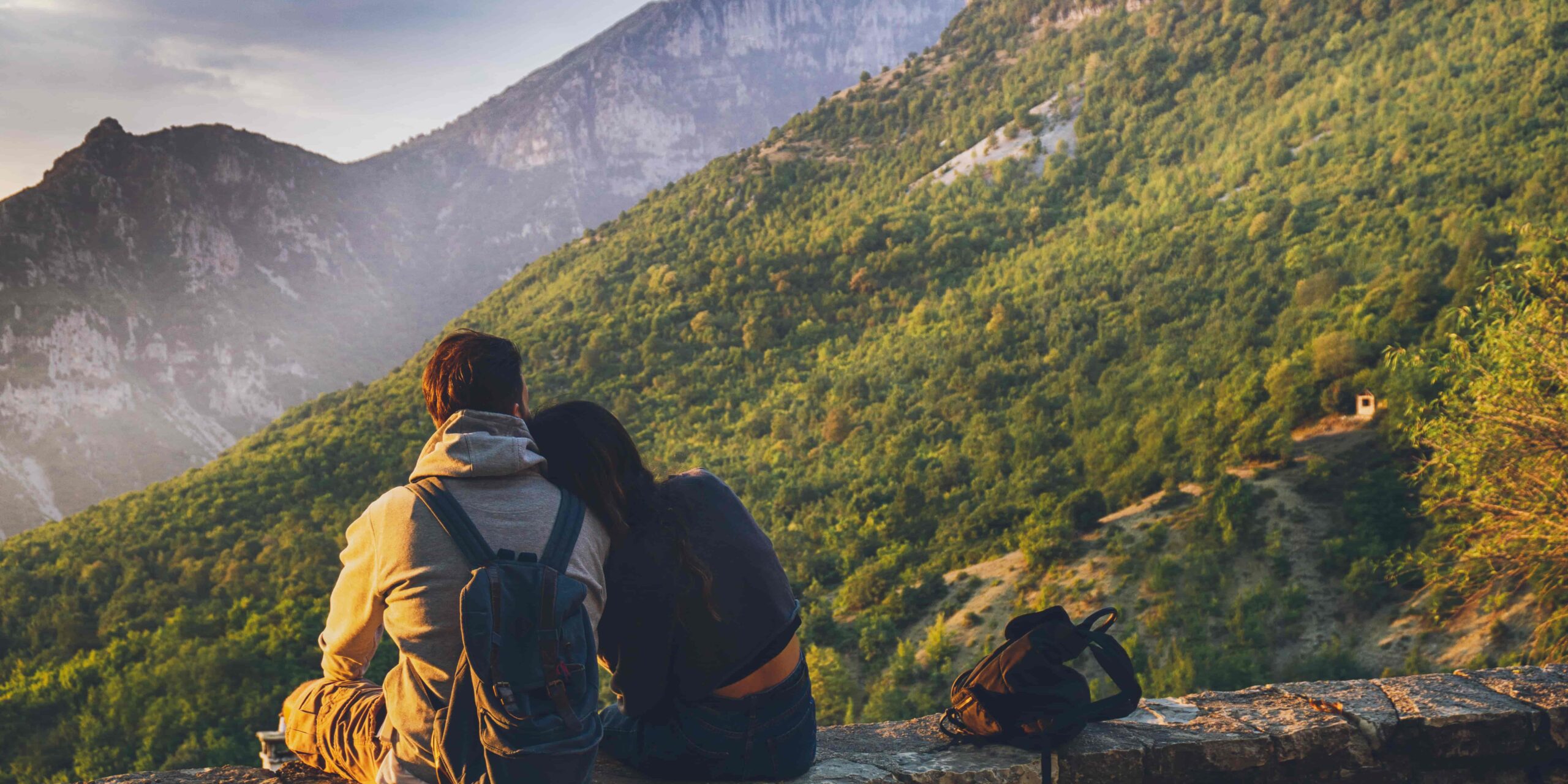
This is, without exception, the most common question we hear before someone’s first trip, and it deserves a direct answer: yes, for the overwhelming majority of visitors who stick to established tourist circuits and take ordinary precautions. Government advisories from the UK, US, and Australia rate India with standard caution rather than a blanket warning, flagging specific border regions rather than the mainstream tourist circuit that most travellers actually visit.
The realistic risks for first-time visitors are overwhelmingly non-violent — minor scams, overcharging, and road traffic — all of which are manageable with a bit of planning. Booking transport, accommodation, and guides through verified operators removes most of this risk before it ever becomes an issue, which is the single most repeated piece of advice in every genuine first time India guide worth reading.
What to Pack: A Practical, Honest Packing List
Lightweight, breathable clothing that also covers shoulders and knees works well for most of the year, since modest dress is expected at religious sites and genuinely appreciated more broadly in smaller towns. A light jacket or shawl is worth packing even in warmer months, since air-conditioned trains, buses, and restaurants can run surprisingly, almost aggressively cold.
Comfortable, sturdy walking shoes matter more than most people expect, given uneven pavements and long days of sightseeing across forts and temples. A basic first-aid kit, hand sanitiser, and any personal medication in its original packaging round out the essentials that belong in every practical first time India guide packing list.
Where to Start: Why Delhi Is the Natural Entry Point
For most first-time visitors, Delhi is the natural gateway into India — it has the strongest international flight connectivity, the widest range of accommodation standards, and it’s the starting point for the Golden Triangle circuit (Delhi, Agra, Jaipur) that most well-planned first-time itineraries are built around.
Starting in Delhi also gives you a few days to acclimatise in the most tourist-adapted city in the country before travelling further into smaller towns with less English-language infrastructure. Rushing straight to a remote region on day one, however tempting it looks in photos, tends to be one of the more common regrets we hear about from travellers reflecting on their first trip.
How Long Should Your First Trip Be?
For a genuine first-timer, 10 to 14 days strikes a good balance — enough time to properly cover the Golden Triangle plus one additional region (Rajasthan, Kerala, or Goa) without the trip feeling rushed or exhausting. Shorter trips of 5-7 days can still work well if focused tightly on the Golden Triangle alone, while longer trips of 2-3 weeks allow for a genuinely relaxed pace across multiple regions.
Whatever the length, building in at least one full rest day per week of travel is worth planning for — nearly every first time India guide underestimates just how much the country’s pace, heat, and sensory intensity can tire even experienced travellers, and we’d rather be honest about that upfront.
Ready to start planning? Chat with us directly on WhatsApp — we can help build a first-time itinerary around exactly how much time you have and what you genuinely want to see, not just a template.
What to Expect on Arrival: Airports, Transport, and First Impressions

Major international airports (Delhi, Mumbai) are modern, well-organised, and thoroughly used to handling high volumes of international arrivals, which tends to ease first-time nerves considerably more than people expect. Pre-arranging airport transfer through your hotel or tour operator, rather than negotiating a taxi on arrival, is one of the simplest ways to start smoothly rather than stressfully.
Traffic and general street-level chaos in Indian cities can feel overwhelming in the first day or two — this is genuinely normal and eases considerably once the initial sensory adjustment passes. Most travellers find their comfort level increases significantly by day three or four, once basic navigation and pacing start to feel familiar rather than foreign.
Money Matters: A Realistic Budget Breakdown
A mid-range first trip, excluding international flights, typically costs between $900 and $2,500 for a 10 to 14-day itinerary, covering accommodation, domestic transport, guided sightseeing, and meals. Structured tour packages offer real cost predictability for first-time visitors who’d rather not manage every daily expense independently while still learning the ropes.
Tipping is commonly expected for guides and drivers (roughly $3-8 per day per traveller) though not always included in package pricing, so it’s worth budgeting for separately and confirming details with your tour operator in advance.
Common Mistakes Almost Every First Time India Guide Warns About
Overpacking the itinerary is the most frequent mistake — trying to cover too many cities in too little time leaves no room for the rest days that make a first trip genuinely enjoyable rather than exhausting. Underestimating travel time between regions is a closely related issue, since distances that look short on a map often take considerably longer by road than travellers from smaller countries expect.
Arranging transport and guides independently, rather than through a verified operator, is another common source of avoidable friction for first-time visitors — from overpaying for taxis to missing out on the context a good local guide naturally provides at major sites. Booking through an established operator removes most of this friction on a first trip, before you’re familiar enough with the country to comfortably manage it alone.
Finally, many first-time visitors skip travel insurance or basic health precautions, treating India as lower-risk than it genuinely is given its scale and the real variability of food, water, and healthcare standards outside major hospitals.
Building Your First Itinerary: A Simple Starting Framework
For a genuine first trip, the Golden Triangle (Delhi, Agra, Jaipur) remains the most reliable starting framework, offering well-developed infrastructure, English-speaking guides, and a manageable pace across 5-7 days. From there, adding either Rajasthan’s wider circuit (Udaipur, Jodhpur) for royal heritage, Kerala for a slower, greener contrast, or Goa for beach relaxation rounds out a well-balanced 10 to 14-day trip.
Resist the temptation, common among excited first-timers, to try to see “everything.” Every honest first time India guide will tell you the same thing: India rewards a second and third trip far more than it rewards cramming the whole country into two weeks the first time around.
Planning Your Trip: Where to Start
For country-specific planning details:
- Travelling from the UK
- Travelling from Australia
- Is India Safe to Travel
- How Much Does a Trip to India Cost
- Best Time to Visit India
Frequently Asked Questions
Is India safe for first-time travellers?
Yes, for the majority of visitors who stick to established circuits and take standard precautions. Government advisories from the UK, US, and Australia rate India with normal caution rather than a blanket warning.
How many days should a first trip to India be?
10 to 14 days is generally ideal, allowing a comfortable pace across the Golden Triangle plus one additional region without feeling rushed — a point every genuine first time India guide tends to agree on.
What should I pack for my first trip to India?
Lightweight, modest clothing, comfortable walking shoes, a light jacket for air-conditioned spaces, and basic travel medication cover most first-time packing needs.
Why is Delhi the best starting point for a first trip?
Delhi offers the strongest international flight connectivity and serves as the natural gateway to the Golden Triangle circuit, making it the most practical entry point for first-time visitors.
Does Touradvisor India help plan first-time trips to India?
Yes, TourAdvisorIndia specialises in building itineraries specifically for first-time visitors, with realistic pacing, verified transport, and guidance suited to a genuine first-timer rather than a returning traveller.
Final Thoughts
If there’s one thing every honest first time India guide should tell you, it’s this: preparation matters here more than almost anywhere else, but not because India is difficult — because its scale and diversity reward a little planning more generously than most destinations do. Start with the Golden Triangle, build in rest days, book through verified operators, and give yourself a few days to adjust. Do that, and a first trip to India tends to become the kind experienced travellers talk about for years afterward.
Ready to plan your first trip to India? Chat with us directly on WhatsApp for a personalised itinerary built around your priorities and travel style — no obligation, just honest advice.