
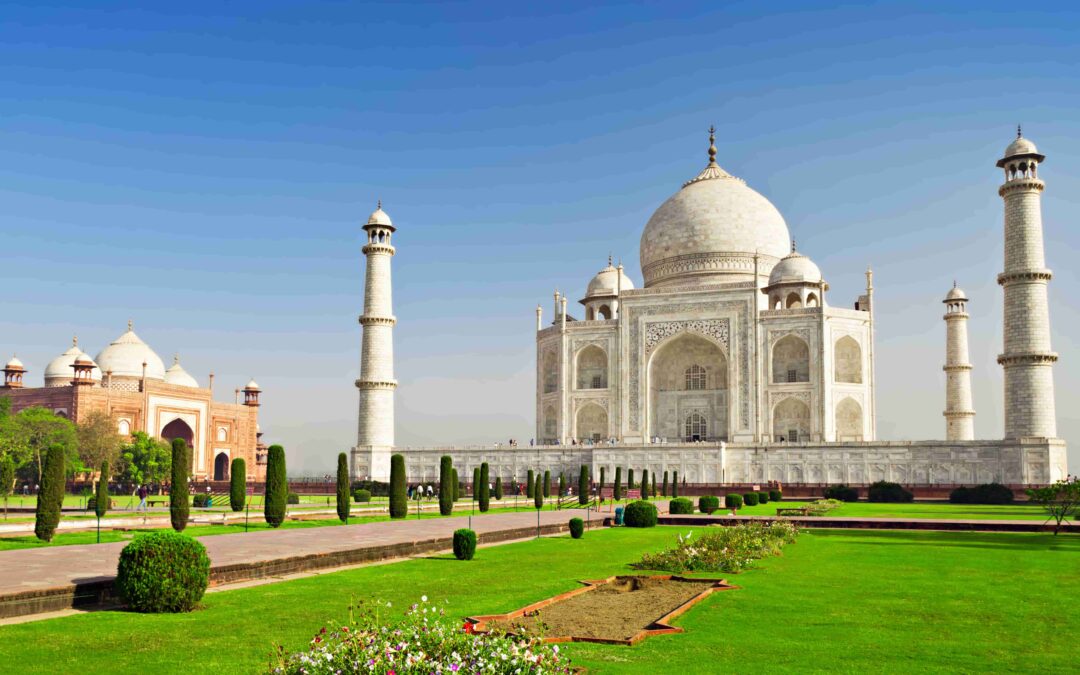
“Best time to visit India” sounds like it should have one simple answer, but India’s sheer size makes that almost impossible to give honestly. A month that’s perfect for Rajasthan’s desert circuit can be uncomfortably hot for Kerala’s backwaters, and the season that draws Delhi’s biggest crowds is exactly when Goa’s beaches are at their quietest and wettest. Getting this timing right — or wrong — genuinely shapes how a trip feels, far more than most travellers expect before they arrive.
Every year, thousands of travellers search for the best time to visit India only to find generic, one-size-fits-all answers that don’t account for the country’s scale. India is roughly the size of Western Europe, spanning tropical coastline, alpine mountains, and arid desert — which means the best time to visit India genuinely depends on which regions are on your itinerary, not just the calendar month.
This guide breaks India’s climate down region by region and season by season, so that whether you’re coming from the US, UK, Australia, or Europe, you can match your trip dates to the experience you actually want, rather than relying on a single generic recommendation that only fits part of the country.
We’ll also cover how festivals, monsoon timing, and regional temperature swings affect not just comfort but pricing and crowd levels — three factors that matter just as much as the weather itself when deciding the best time to visit India for your specific plans.
Why There’s No Single “Best Time to Visit India” for the Whole Country
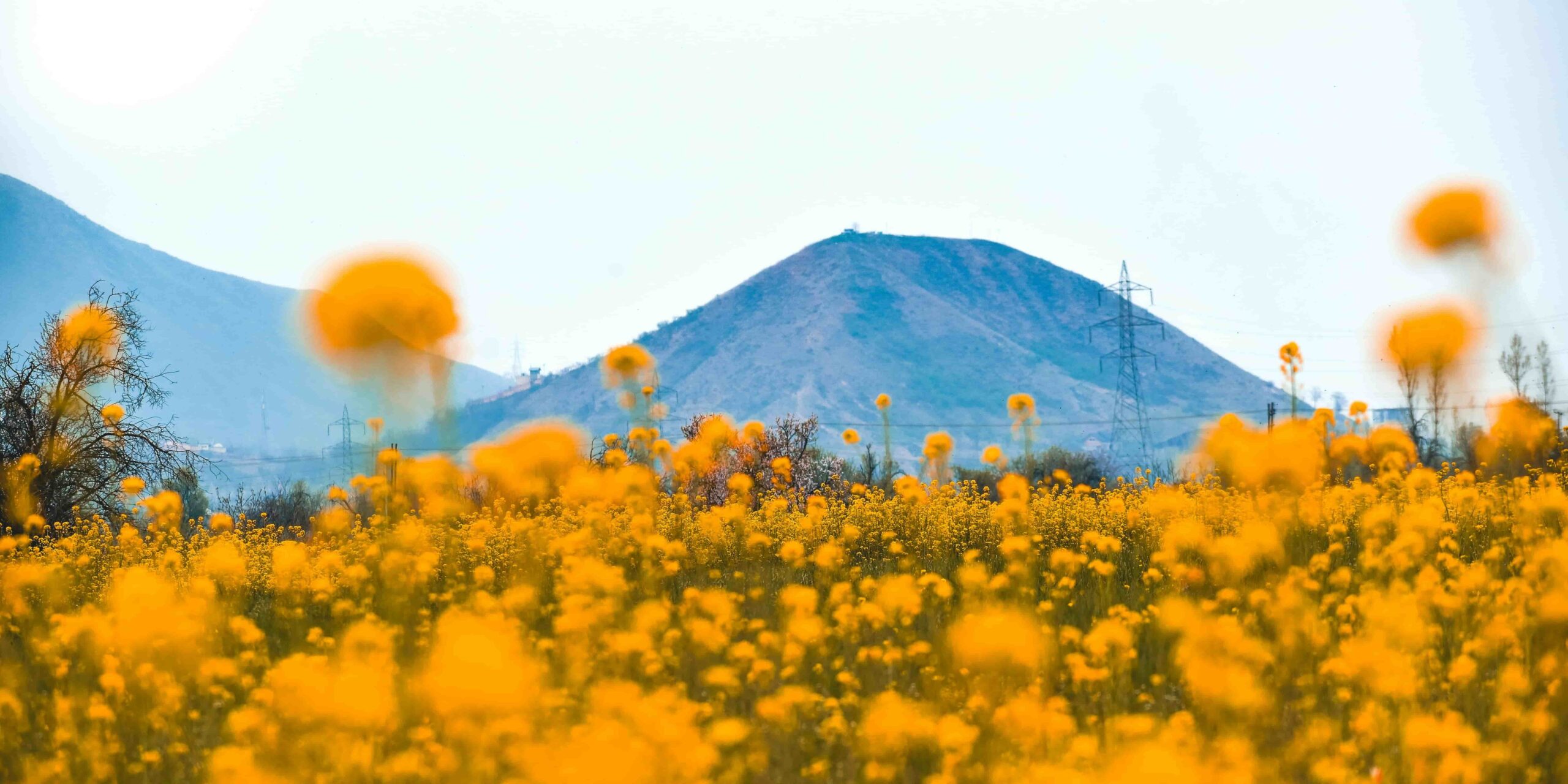
India spans everything from Himalayan alpine climates in the north to tropical coastline in the south, which means no single month works equally well everywhere. October, for example, is often cited as the best time to visit India overall — but even then, parts of the northeast are still finishing their monsoon while Rajasthan is only just becoming comfortable again after summer heat.
This regional variation is the single biggest thing first-time visitors underestimate when planning India travel timing. A trip that combines Delhi, Kerala, and Goa in one itinerary needs to account for three genuinely different climate patterns, not one blanket “good season.”
Understanding this upfront prevents the most common timing mistake: booking based on a single month that works well for one region while unknowingly landing in the least comfortable season for another part of the same itinerary. This is exactly why a proper regional breakdown matters more for finding the best time to visit India than it would for a smaller, more climatically uniform country.
Travellers researching India seasonal weather patterns for the first time are often surprised to learn just how much a two-week difference in travel dates can change the experience of the same route.
India’s Three Broad Seasons: A Quick Overview
Before breaking things down region by region, it helps to understand India’s three broad seasonal bands, since almost every regional recommendation for the best time to visit India maps back to these:
The winter season (October to March) brings the coolest, driest conditions across most of the country and is when the majority of international tourism happens. The summer season (April to June) brings intense heat across the plains, though it opens up higher-altitude regions. The monsoon season (June to September) brings the rains, with intensity and timing varying considerably by region.
Almost every question about the best time to visit India comes down to which of these three windows suits your planned itinerary and priorities — comfort, budget, or crowd levels.
October to March: Peak Season for Most of India
For the classic first-time circuit — Delhi, Agra, Jaipur, and the wider Rajasthan region — October through March is consistently the best time to visit India, and for good reason. Daytime temperatures sit in a comfortable range for sightseeing, humidity drops significantly compared to summer, and the heavy monsoon rains have fully cleared by this point.
December and January bring the coolest temperatures of this window, particularly in the mornings and evenings in Delhi and Rajasthan, where a light jacket becomes genuinely useful. This period conveniently overlaps with winter in the US, UK, Australia, and Europe, making it an especially popular best time to visit India for international travellers looking to combine cultural highlights with a break from colder weather back home.
This is also, unsurprisingly, peak tourist season — meaning flight prices, hotel rates, and tour package costs all trend higher during these months, particularly around the Christmas and New Year period. Booking three to four months ahead is worth doing if travelling within this window, since availability on popular routes and heritage hotels tightens considerably closer to departure.
Late February into early March offers a useful sweet spot within this window — temperatures are still comfortable, but the absolute peak crowds and pricing of December-January have eased somewhat, making it a strong choice for travellers wanting the benefits of peak season without its highest costs.
April to June: The Hot, Quieter Season
Temperatures climb sharply across most of northern and central India from April onward, with Delhi and Rajasthan regularly seeing daytime highs well above what most international travellers find comfortable for extended outdoor sightseeing. This period is generally not the best time to visit India for a first Golden Triangle trip unless you’re specifically comfortable with intense heat or planning early-morning and evening activities only.
That said, this off-season window does have genuine upsides: hotel rates drop noticeably, popular sites are considerably less crowded, and hill stations — Shimla, Manali, Darjeeling, and similar destinations — come into their own as a cooler escape from the heat below. Travellers who prioritise budget and lower crowds over ideal weather sometimes deliberately choose this window for exactly these reasons.
Kashmir and the broader Himalayan region actually hit their most accessible, pleasant window during these months, since higher-altitude areas remain comfortably cool while lower regions swelter — making April to June genuinely the best time to visit India if a mountain-focused itinerary is the priority rather than the classic plains circuit.
Ladakh specifically opens up to tourism only from around late May through September, since mountain passes remain snowbound outside this window — making late spring and summer the only realistic best time to visit this particular region, regardless of the heat affecting the plains below.
June to September: Monsoon Season
The monsoon brings heavy, often dramatic rainfall across most of the country from roughly June through September, though the exact timing and intensity vary considerably by region. This period sees the steepest drop in both tourist numbers and prices, which appeals to a specific type of traveller comfortable trading some inconvenience for lower costs and quieter sites.
Kerala, interestingly, is something of an exception worth knowing about — the monsoon here is considered by many to be the best time to visit India’s backwater region specifically, with lush, vivid green landscapes and a distinctly different, slower travel experience. Ayurvedic treatment packages, a well-established part of Kerala’s tourism industry, are traditionally recommended during monsoon months specifically, since the season’s humidity is believed to enhance the effectiveness of traditional treatments.
Elsewhere, monsoon travel means planning around potential transport disruptions, flooding in low-lying areas, and generally overcast conditions that limit outdoor sightseeing. It’s not a season to avoid entirely, but it does require more flexible planning and lower expectations around guaranteed clear-weather days.
Ready to lock in your dates? Chat with us directly on WhatsApp and we’ll help you figure out the best time to visit India based on which regions you want to cover and when you’re free to travel.
Region-by-Region Best Time to Visit India
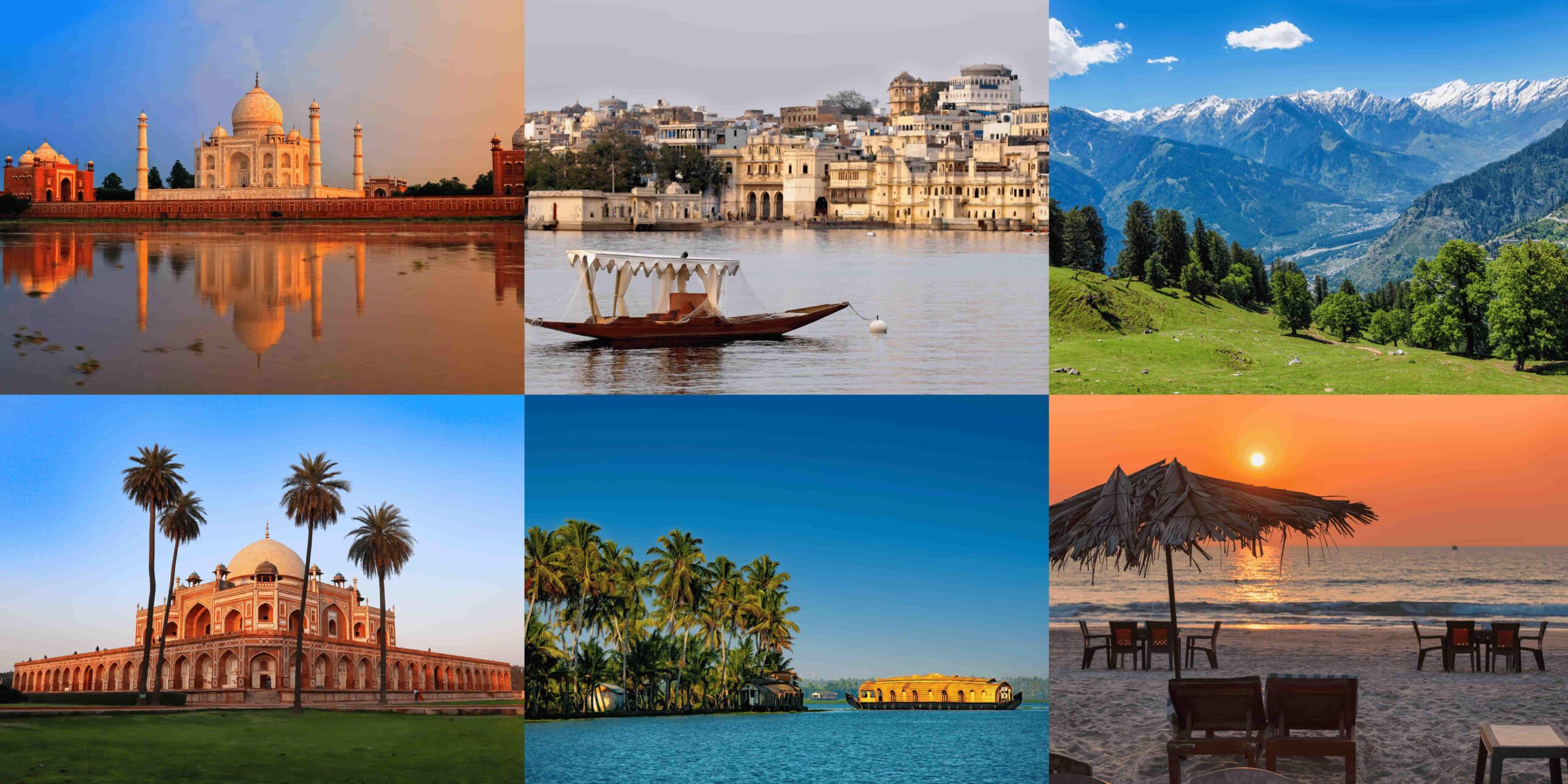
North India (Delhi, Agra, Jaipur, Rajasthan): October to March offers the most comfortable sightseeing conditions and is widely considered the best time to visit India’s classic Golden Triangle circuit, with December and January being the coolest and April through June being considerably hotter than most first-time visitors expect.
Kerala and South India: December through February brings the most reliably pleasant weather, though many travellers specifically choose the monsoon months (June-September) as the best time to visit India’s backwaters for a completely different, greener experience paired with traditional wellness travel.
Goa: November through February is peak season, combining dry, warm weather with the region’s busiest and most vibrant tourist calendar. The monsoon months bring dramatic rainfall and a much quieter, lower-cost alternative for travellers who don’t mind overcast days.
Himalayan Region (Kashmir, Himachal, Uttarakhand, Ladakh): April through June and September through October offer the most reliably accessible weather, avoiding both winter snow closures and the heaviest monsoon rainfall at higher altitudes.
Northeast India (Assam, Meghalaya, Sikkim): October to April is generally considered the best time to visit this less-travelled region, avoiding both the intense monsoon rainfall (among the heaviest in the country) and the coldest winter conditions at higher elevations.
How Festivals Affect the Best Time to Visit India
India’s festival calendar adds another layer worth planning around, since major festivals can dramatically affect both the atmosphere of a trip and practical logistics like hotel availability and pricing. Diwali, generally falling in October or November depending on the lunar calendar, is one of the most visually spectacular times to be in India, but also one of the busiest and most expensive for domestic travel, flights, and accommodation.
Holi, usually in March, offers an equally memorable but very different experience — vibrant, chaotic, and colour-soaked celebrations, particularly in northern India. Travellers specifically wanting their trip to align with these festivals should book considerably further in advance than usual, since domestic demand spikes sharply around these dates on top of regular tourist demand.
For travellers who prioritise a quieter, festival-free experience, avoiding the two to three weeks surrounding Diwali and Holi is worth factoring into any calculation of the best time to visit India for a specifically low-crowd trip.
Best Time to Visit India from the US, UK, Australia, and Europe
For travellers coming from the Northern Hemisphere — the US, UK, and Europe — the October to March window conveniently overlaps with colder months back home, making it a natural, appealing best time to visit India for combining pleasant winter climate with an escape from grey, cold weather at home.
Australian travellers face a slightly different calculation, since India’s peak season overlaps with the Australian summer. Many Australian visitors still choose this window for the weather advantages in India itself, though some deliberately travel during India’s shoulder seasons (September-October or March-April) as their own best time to visit India, aligning more comfortably with their own holiday calendar while still avoiding the most extreme heat or monsoon conditions.
Common Mistakes When Timing an India Trip

A few recurring mistakes affect travellers who don’t research the best time to visit India by region before booking. Assuming one month works everywhere is the most common — booking a Golden Triangle plus Kerala trip entirely around north Indian weather, for example, can mean landing in Kerala during an unexpectedly humid or wet stretch.
Underestimating how far peak-season pricing rises is another frequent surprise, particularly around Christmas, New Year, and Diwali, when flights and heritage hotels in Rajasthan can cost considerably more than shoulder-season equivalents for the same experience.
Finally, many travellers overlook shoulder seasons entirely, assuming only “peak” or “monsoon” exist as options — when in reality, months like late September, October, and March often represent the genuine best time to visit India for travellers wanting a balance of good weather, lower prices, and manageable crowds.
Planning Your Trip: Where to Start
Regardless of season, Delhi remains the natural entry point for most international itineraries, given its flight connectivity and position as the gateway to the Golden Triangle circuit. Matching your travel dates to the region-specific guidance above, rather than a single generic “best month,” makes the biggest difference to how comfortable and enjoyable the trip feels on the ground.
For related planning guides:
- Is India Safe to Travel
- How Much Does a Trip to India Cost
- Family Trip to India
- Common Scams to Avoid in India
Frequently Asked Questions
What is the single best time to visit India?
October and November are generally considered the strongest all-round months, offering comfortable temperatures across most of the popular tourist circuit before peak season crowds and pricing fully kick in.
Is it worth visiting India during monsoon season?
For most of the country, monsoon season is not the best time to visit India for a first trip, due to transport disruptions and reduced outdoor sightseeing. Kerala is a notable exception, where monsoon travel is considered a genuine highlight by many visitors.
When is the worst time to visit Rajasthan and Delhi?
April through June brings intense heat that most international travellers find uncomfortable for extended outdoor sightseeing in this region, making it the least recommended window for a first Golden Triangle trip.
Why is Delhi the best starting point regardless of season?
Delhi offers the strongest international flight connectivity and serves as the natural gateway to the Golden Triangle circuit, making it the most practical starting point whatever time of year you choose to travel.
Does Touradvisor India help plan trips around seasonal timing?
Yes, TourAdvisorIndia builds itineraries that account for regional seasonal variation, helping travellers choose routes and timing that match their priorities around weather, festivals, and budget.