

Every year, thousands of Australians travel to India — drawn by its rich history, diverse landscapes, and vibrant culture. But before booking flights, one question comes up again and again: is India safe for Australian tourists? It’s a fair question, especially with mixed information available online, and it deserves an honest, balanced answer rather than a simple yes or no.
This guide covers everything an Australian traveler needs to know before their first trip to India — safety insights, visa requirements, flight options, budgeting, and the best time to visit — so you can make an informed decision and travel with confidence.
With more Australians choosing India as a travel destination each year, it helps to look past headlines and social media opinions, and focus on practical, up-to-date information instead. Whether you’re planning a short getaway or a longer trip across multiple states, understanding the real picture — not just the assumptions — makes all the difference in how prepared and confident you feel before you land.
For many Australians, India represents a completely different kind of travel experience compared to closer destinations like Bali, Thailand, or New Zealand — and that novelty is exactly what draws so many first-time visitors each year. But that same unfamiliarity is often why the question is india safe for australian tourists comes up so frequently in travel forums, Facebook groups, and search results. The honest truth is that india, like any large and diverse country, has areas that are extremely tourist-friendly and well-established, alongside regions that warrant extra caution — and knowing the difference matters far more than a blanket yes or no answer.
What Does the Australian Government Say About India Travel Safety?

If you’ve searched if India is safe to travel to, you may have come across Smartraveller, the official travel advisory service run by the Australian Government’s Department of Foreign Affairs and Trade (DFAT). Smartraveller currently advises travelers to “exercise a high degree of caution” in India, largely due to general security concerns and occasional regional tensions in specific border areas.
It’s important to understand what this advisory actually means in practice. A “high degree of caution” rating is a general, country-wide classification — it doesn’t mean every city or region carries the same level of risk. Popular tourist circuits like the Golden Triangle (Delhi, Agra, Jaipur), Kerala, Goa, and Rajasthan see millions of foreign visitors, including Australians, every year without major incidents. The advisory typically highlights specific concerns such as certain border regions (particularly near Jammu & Kashmir and parts of the Northeast), large public gatherings, and isolated instances of civil unrest — areas that most standard tourist itineraries simply don’t include.
Being aware of this advisory is responsible travel planning, not a reason to cancel your trip. Millions of international tourists, including a growing number from Australia, visit India safely each year by staying informed, following common-sense precautions, and sticking to well-established tourist routes.
Common Safety Concerns for Tourists in India

When people research India travel safety, a few recurring concerns come up. None of these are unique to India — they exist in many popular tourist destinations worldwide — but it helps to know what to expect.
Petty theft and pickpocketing are the most commonly reported issues, particularly in crowded markets, train stations, and tourist hotspots. Keeping valuables secure, using a money belt, and staying alert in busy areas significantly reduces risk — the same precautions you’d take in any major international city.
Tourist scams are another concern travelers often ask about. Common examples include overcharging for taxis or souvenirs, unofficial “guides” at monuments, and inflated prices at unlicensed shops. Booking through a registered tour operator, agreeing on prices upfront, and using official transport options (or a private tour package with a dedicated driver) largely eliminates this issue.
Road safety is worth mentioning too — traffic in India can feel chaotic compared to Australian roads. This is exactly why most Australian tourists opt for private transportation with an experienced local driver rather than self-driving, particularly for longer journeys between cities.
Health and food safety also come up frequently. Sticking to bottled or filtered water, eating at reputable restaurants, and carrying basic medication for stomach upsets are standard precautions that most seasoned travelers to India recommend.
Practical Safety Tips for Australian Tourists in India
- Choose a reputable, verified tour operator for guided tours or private transportation rather than arranging everything independently on arrival
- Keep digital and physical copies of your passport, visa, and travel insurance documents
- Avoid large public gatherings, political rallies, or protests, as advised by Smartraveller
- Use registered taxi services or app-based transport (Uber and Ola operate widely across major Indian cities)
- Stay in well-reviewed accommodation, particularly in unfamiliar cities
- Purchase comprehensive travel insurance that covers medical emergencies and trip cancellations
- Register your trip with Smartraveller before departure for updates and emergency assistance
- Keep the Australian High Commission contact details (based in New Delhi) handy during your trip
India Visa for Australian Citizens
One of the first things Australians search for is an Indian visa for Australian citizens, and the good news is the process is fairly straightforward. Most Australian tourists are eligible for an India e-visa, which can be applied for entirely online.
Key details include:
- Applications should be submitted at least four days before travel, though earlier is recommended
- The tourist e-visa is typically valid for up to one year, with multiple entries permitted, depending on the visa category chosen
- A single tourist visit is usually capped at 90 days per stay for most categories
- Visa fees vary depending on processing speed (standard vs urgent)
It’s worth double-checking the latest requirements directly on the official india visa website closer to your travel dates, as visa rules and fees can be updated periodically.
Flight Time and Routes from Australia to India
For anyone researching flight time from Australia to India, direct and one-stop options are widely available from major Australian cities. Flights from Sydney, Melbourne, and Perth to Delhi or Mumbai typically range between 11 to 14 hours for direct routes, with one-stop options (often via Singapore, Kuala Lumpur, or the Middle East) taking slightly longer.
Perth, being on Australia’s west coast, generally offers the shortest flight duration to India compared to Sydney or Melbourne, making it a convenient departure point for many Western Australian travelers.
How Much Does an India Trip Cost from Australia?

Budgeting is a common concern for first-time visitors, and india trip cost from Australia can vary significantly based on travel style. Compared to Australia, India is generally very affordable — accommodation, food, and local transport cost a fraction of what Australians are used to paying at home.
A mid-range daily budget (comfortable hotels, private transport, meals at good restaurants) typically works out considerably cheaper than an equivalent trip within Australia or to most Western countries. Budget travelers can manage on even less, while those opting for luxury stays and private guided tours will naturally spend more. Booking an organized tour package often works out more cost-effective than planning everything independently, since it bundles accommodation, transport, and sightseeing at negotiated rates.
It’s also worth factoring in the exchange rate advantage when converting AUD to INR, as the Australian dollar typically holds strong purchasing power in india. This means everyday expenses — from street food and local transport to entry fees at monuments and forts — often feel surprisingly inexpensive compared to home. Many Australian travelers find that even a comfortable, well-planned india trip costs noticeably less than a domestic holiday within Australia, making india an appealing option for those wanting a longer, richer travel experience without stretching their budget.
Best Time to Visit India from Australia
Since Australia and India sit in opposite hemispheres, their seasons are reversed — which actually works in favor of Australian travelers. The best time to visit India from Australia is generally between October and March, when much of northern India (including Delhi, Agra, Jaipur, and Rajasthan) experiences cooler, more comfortable weather.
This period conveniently overlaps with the Australian summer, making it an ideal window for Australians looking to escape the heat at home while enjoying pleasant travel conditions in India. Southern India and coastal regions like Kerala and Goa also see favorable weather during these months, avoiding the monsoon season that typically runs from June to September.
Australians planning around school holidays or the Christmas–New Year break will find this timing works particularly well, since it falls right in the middle of india’s most pleasant travel season. On the other hand, visiting between April and June means dealing with intense heat across most of northern india, while the monsoon months can bring heavy rainfall and travel disruptions in several regions — both worth avoiding for a first trip. Planning your india itinerary around this October-to-March window generally leads to a smoother, more comfortable experience overall.
Recommended Destinations for First-Time Australian Visitors
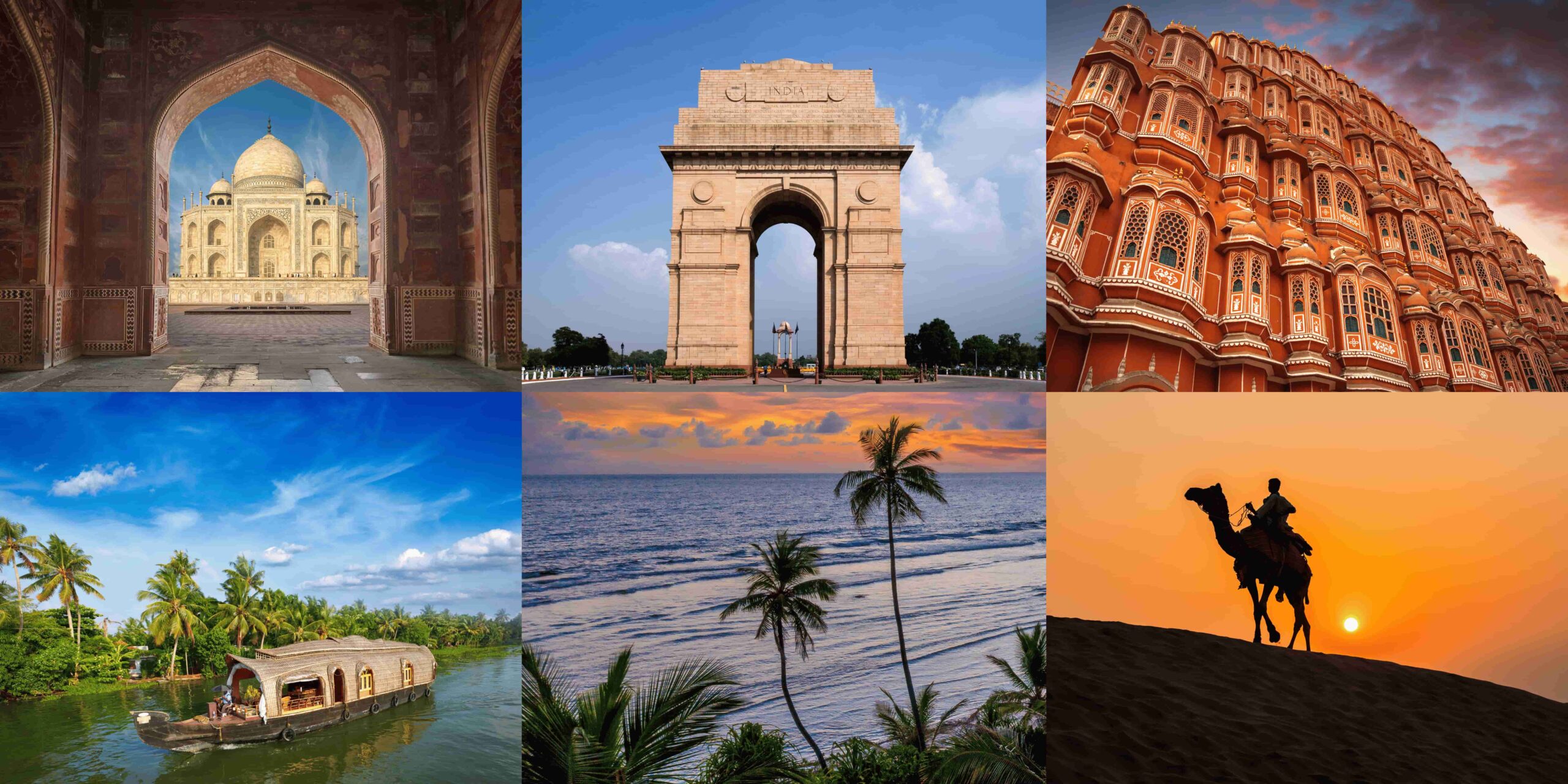
For those planning their first India itinerary, a few regions consistently stand out as ideal starting points, each offering something different depending on what kind of experience you’re looking for.
The Golden Triangle (Delhi, Agra, Jaipur)
The Golden Triangle remains the most popular starting point for Australian tourists visiting India for the first time, and it’s easy to see why. This well-connected circuit covers three iconic cities — Delhi, the bustling capital known for its blend of ancient monuments and modern city life; Agra, home to the breathtaking Taj Mahal, one of the Seven Wonders of the World; and Jaipur, the “Pink City,” famous for its majestic forts, palaces, and vibrant local markets. The circuit typically takes 5-7 days to complete comfortably, with good road and rail connectivity between each stop. For Australians concerned about is india safe for australian tourists, the Golden Triangle is one of the most tourist-friendly, well-patrolled circuits in the country, making it a reassuring and manageable introduction to india travel.
Rajasthan
Beyond Jaipur, the wider state of Rajasthan offers a deeper, more immersive experience for Australian travelers who have a bit more time to explore. Cities like Udaipur, Jodhpur, and Jaisalmer each carry their own distinct character — from Udaipur’s romantic lakes and palaces to Jodhpur’s striking blue-painted old town, and Jaisalmer’s golden desert landscapes complete with camel safaris and overnight desert camps. Rajasthan is particularly popular among Australians looking for a more culturally rich, slower-paced India trip, with heritage havelis and palace hotels adding a touch of royal luxury throughout. Given its well-developed tourism infrastructure, Rajasthan also ranks among the safer, more established regions when Australians research india travel safety before booking.
Kerala
For Australian travelers seeking a more relaxed alternative to the bustling north, Kerala — often called “God’s Own Country” — offers a completely different pace of india travel. Known for its tranquil backwaters, lush tea plantations, and coastal scenery, Kerala is a favorite for those wanting to combine culture with genuine relaxation. A houseboat stay along the Alleppey backwaters is a highlight for many Australian visitors, while hill stations like Munnar provide cooler weather and scenic nature walks. Kerala’s slower rhythm, strong tourism infrastructure, and generally calm atmosphere make it one of the more comfortable regions for first-time Australian tourists still weighing up whether India is safe to travel to on their own.
Goa
Goa is a popular choice among Australian travelers wanting to combine India’s rich Portuguese-influenced history with laid-back beach time. With its mix of golden beaches, centuries-old churches, lively markets, and relaxed coastal towns, Goa offers a very different side of India compared to the historical circuits up north. It’s particularly well-suited to Australians looking for a shorter, easier introduction to India travel, thanks to its strong tourism infrastructure, wide range of accommodation options, and generally relaxed pace. Many first-time visitors combine a few days in Goa with a longer cultural circuit elsewhere, using it as a comfortable, low-stress bookend to their india itinerary.
Most first-time Australian visitors find a 10 to 14-day itinerary combining 2-3 of these regions offers a well-rounded introduction to India without feeling rushed, while still addressing the practical safety and planning questions that come up when researching india travel safety from Australia.
Frequently Asked Questions
Why should Australians choose Touradvisor India for their trip?
Touradvisor India specializes in customized india tour packages designed specifically for international travelers, including Australians. With verified accommodations, experienced local guides, and private transportation, every itinerary is planned around comfort and safety — addressing the exact concerns Australians have when researching is india safe for australian tourists before booking.
Where should Australian travelers begin their India trip?
Delhi is the ideal starting point for most Australians visiting india, thanks to strong international flight connectivity and easy access to the Golden Triangle circuit. Most tour packages for australians begin in Delhi before continuing to Agra and Jaipur, making it a practical, well-connected entry point for a first india itinerary.
Is it safe for Australian women to travel to India alone?
Yes, with proper planning. Many Australian women travel solo across india safely each year by booking verified accommodation, using private transport, and avoiding isolated areas at night. Joining a guided or private tour adds an extra layer of india travel safety, particularly for first-time visitors unfamiliar with local customs and navigation.
What vaccinations do Australians need before visiting India?
While not all vaccinations are mandatory, Australians are generally advised to consult a travel doctor before their india trip regarding options like Hepatitis A, Typhoid, and routine boosters. Requirements vary based on itinerary and travel duration, so checking with Smartraveller or a GP well before departure is recommended for australian tourists.
Do Australians need travel insurance for India?
Yes, comprehensive travel insurance is strongly recommended for any india trip from australia, covering medical emergencies, trip cancellations, and lost belongings. Given the distance and potential healthcare costs abroad, insurance adds crucial protection and peace of mind — an essential part of responsible travel safety planning for australian tourists visiting india.
Final Thoughts
So, is India safe for Australian tourists? The honest answer is: largely yes, provided you travel informed and take the same sensible precautions you would in any unfamiliar country. Being aware of the Smartraveller advisory, sticking to established tourist routes, and choosing reliable transportation and accommodation go a long way toward ensuring a smooth, memorable trip.
India offers Australian travelers an extraordinary blend of history, culture, and natural beauty that’s hard to find anywhere else in the world — and with the right preparation, it’s an experience well worth planning for.