
If you’re searching “is India safe for tourists” before booking your trip, you’re not alone — it’s one of the most common questions asked by first-time visitors, solo backpackers, and families planning an India tour in 2026. Between conflicting travel advisories, viral social media stories, and outdated blog posts, it’s hard to know what’s actually true today.
Here’s the direct answer: yes, India is safe for tourists — including solo travelers, female travelers, and senior citizens — as long as you take the same common-sense precautions you’d take in any large, diverse country. Millions of foreign tourists visit India every year without incident, and well-established circuits like the Golden Triangle, Rajasthan, Kerala, and Himachal are fully equipped for international visitors, with tourist police, verified transport, and English-speaking guides widely available.
This guide breaks down the real, current picture of India travel safety in 2026 — from crime statistics and regional safety differences to solo female travel tips, common tourist scams, health precautions, and what official travel advisories (like the US State Department and UK FCDO) actually say — so you can plan your trip with confidence, not anxiety.
Is India Safe for Solo Travelers?
India has become one of the most popular solo travel destinations in Asia, and if you’re asking is India safe for tourists traveling alone, the honest answer is: yes, India is safe for tourists, including solo travelers, for the vast majority of visitors — but it does require a bit more preparation than backpacking through Europe or Southeast Asia.
Every year, thousands of solo backpackers explore well-established circuits like Rishikesh, Goa, Kerala’s backwaters, Rajasthan’s heritage towns, and Himachal’s hill stations — proving that India is safe for tourists who plan ahead, with strong tourist infrastructure and an active solo-traveler community. For solo male travelers, the main risks are usually scams and overcharging rather than genuine safety threats.
Practical safety tips for solo travel in India:
- Book accommodations with verified reviews
- Use trusted transport apps like Uber or Ola instead of unmarked taxis
- Avoid isolated areas late at night
- Keep copies of your ID, visa, and travel insurance details saved online
- Join solo traveler communities (Reddit’s r/IndiaTravel) for real-time advice
Is India Safe for Solo Female Travelers?
This is the single most-asked version of is India safe for tourists — asked specifically by women planning to travel alone. The honest answer: India is safe for tourists, including solo female travelers, but it requires more awareness than many Western countries.
Popular routes like Goa, Kerala, Rajasthan, and the Himalayan hill stations see large numbers of solo female backpackers every year, supported by women-only train coaches, women’s helplines, and female-friendly hostels — all reinforcing that India is safe for tourists who take standard precautions like dressing modestly outside beach towns and avoiding travel alone late at night.
Is India Safe for Families and Senior Citizens?
Beyond solo travelers, a large share of visitors asking is India safe for tourists are actually planning a trip with children or elderly parents — and the honest answer here is equally reassuring, provided the trip is planned with the right pace and support in mind.
For families, India’s most popular circuits are genuinely well set up for children. Hotels across the Golden Triangle, Rajasthan, and Kerala routinely offer family rooms, and major attractions like the Taj Mahal, Amber Fort, and Kerala’s houseboats are engaging for kids rather than purely educational. The main safety consideration for families isn’t a hidden risk — it’s pacing. Overpacked itineraries tire children out fast, and a trip with too many long travel days back-to-back is where most family trip frustrations come from, not any genuine safety concern.
Senior citizens travel India safely every year as well, particularly on well-organized circuits with private transport rather than public buses or unreserved trains. The main practical considerations are similar to what any senior traveler would plan for on an unfamiliar trip abroad: comfortable, air-conditioned transport between cities, hotels with elevators and accessible rooms where mobility is a concern, and a realistic daily pace that avoids long walking stretches without rest breaks.
A few practical steps make trips smoother for both groups:
- Choose private transport over public transport for families and senior travelers, reducing unpredictability
- Confirm hotels have family rooms or accessible rooms in advance, rather than assuming availability
- Build in rest days between longer travel segments, especially on multi-city itineraries
- Carry any regular medication in original packaging, along with a basic first-aid kit
- Consider a guided tour over independent travel for a first trip, since it removes most of the day-to-day logistics that can be tiring to manage alone
Thousands of families and senior travelers complete India trips every year through well-planned circuits, and the same core answer applies here as it does throughout this guide: India is safe for tourists of all ages, provided the trip is planned around realistic pacing and verified support rather than left to chance.
What Do Official Travel Advisories Say About India?
Before booking, most international travelers check their home country’s official travel advisory — and it’s worth understanding what these actually mean.
The US State Department currently places India at a general “exercise increased caution” level, similar to many popular tourist destinations worldwide, with specific higher-caution notes for border regions like Jammu & Kashmir and parts of the Northeast. This is a broad, region-based rating — it does not mean the entire country carries equal risk.
The UK FCDO advisory follows a similar pattern: most of India, including all major tourist circuits — Delhi, Agra, Rajasthan, Goa, Kerala, and Himachal — is rated safe for travel, with advisories limited to specific border and conflict-sensitive zones.
What this means practically for your trip:
- Mainstream tourist destinations are not flagged as high-risk zones.
- A country-wide advisory level is not the same as city-specific risk — treat it the way you would a similar advisory for the US, UK, or France, where caution is regional, not universal.
- Always check the latest advisory on your government’s official site before departure.
This is exactly why travelling with a trusted, experienced local partner makes such a difference. At Tour Advisor India, our itineraries are built around the safest, most traveler-tested circuits — with vetted hotels, verified transport, local guides, and 24/7 support throughout your trip — so you can experience India’s culture, food, and heritage with confidence instead of second-guessing every decision. Thousands of solo travelers, couples, and families have explored India safely this way — and you can too.
Common Tourist Scams in India (and How to Avoid Them)

A big part of answering is India safe for tourists honestly means addressing scams directly — because most safety concerns for visitors aren’t about crime, they’re about common tourist scams designed to overcharge or mislead first-time visitors.
The most frequent scams to watch for:
- Fake tour/hotel agents near train stations claiming your booking is “cancelled” — confirm directly with your hotel or operator
- Taxi/rickshaw overcharging — insist on the meter or use app-based rides
- Gem and carpet shop scams — walk away from high-pressure sales pitches
- Fake sadhus at religious sites asking for money
- Currency confusion scams — always count change yourself
The good news: once you know these patterns, India is safe for tourists who simply book verified accommodations, transport, and guides in advance rather than arranging things on the spot — this single habit eliminates most scam attempts reported by visitors.
Is Delhi Safe for Tourists as a Starting Point?
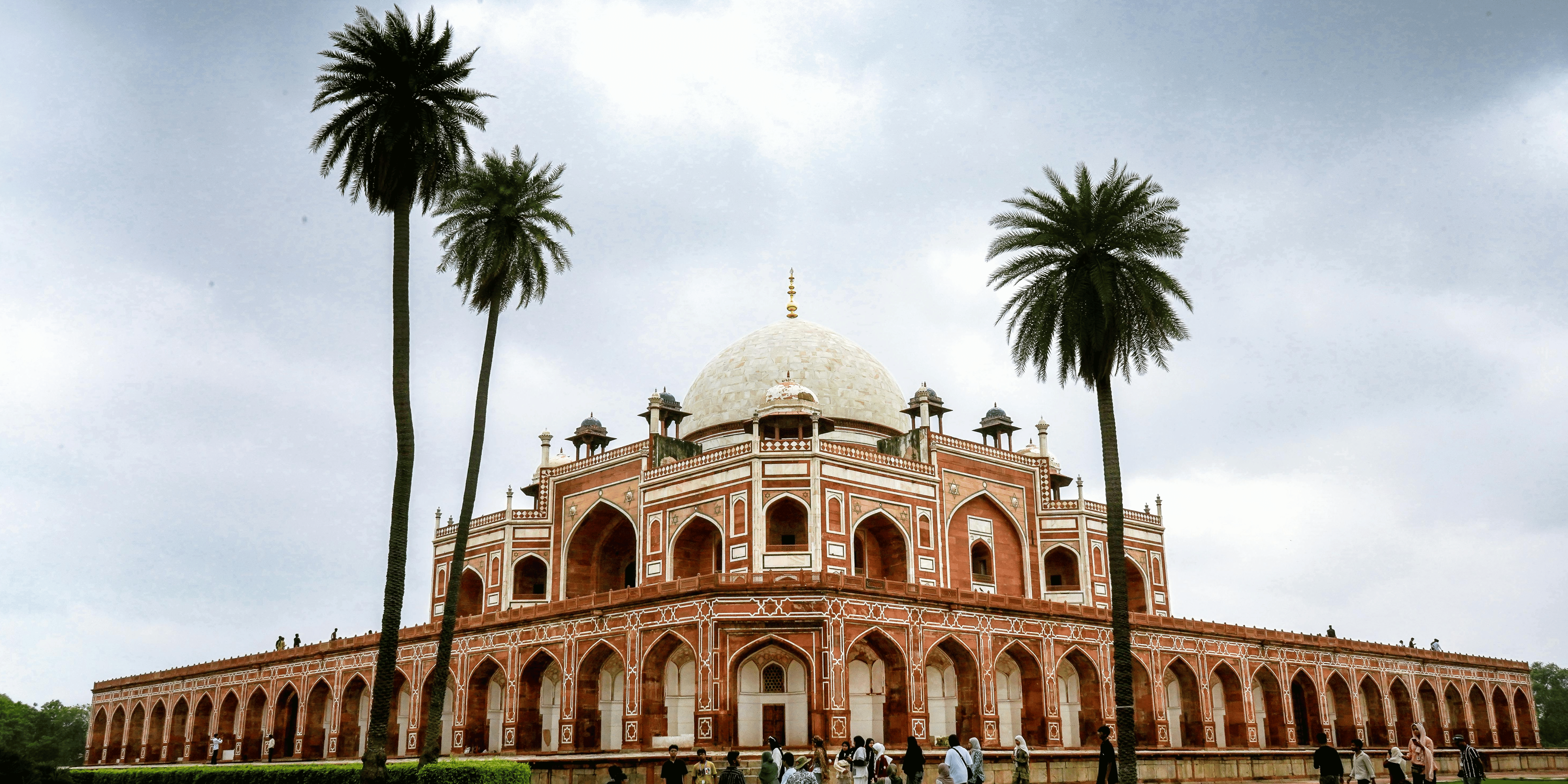
Since Delhi is the main international gateway for most visitors, “is India safe for tourists” is one of the first questions people ask right after landing here. When it comes to Delhi specifically, the answer is yes — India is safe for tourists in well-connected, tourist-heavy areas like Connaught Place, Chanakyapuri, and South Delhi, though like any major capital city, it needs standard urban precautions.
If you’re trying to figure out is India safe for tourists starting from Delhi, here’s what actually matters:
Tips for a safe start to your India trip in Delhi:
- Arrange airport pickup in advance rather than hailing a random taxi outside the terminal
- Stick to well-reviewed neighborhoods for your first night (Connaught Place, Karol Bagh, South Delhi)
- Use the Delhi Metro — safe, affordable, with dedicated women’s coaches
- Avoid isolated streets late at night, especially around Paharganj and railway station areas
- Keep your hotel address and local emergency numbers saved offline
- Delhi also has the highest concentration of tourist police booths in the country, along with a dedicated Tourist Police Helpline — reinforcing that India is safe for tourists even at one of its busiest, most crowded entry points. So if Delhi is your first stop, rest assured: the same answer to “is India safe for tourists” holds true here as it does across the country’s major circuits.
India Safety by Region
When people ask is India safe for tourists, the honest answer changes slightly depending on which region you’re visiting — just like safety varies by state or city in the US or Europe. Here’s a quick regional breakdown to show exactly where India is safe for tourists and where a bit more caution helps.
| Region | Safety Level for Tourists | Best For |
|---|---|---|
| North India (Delhi, Agra, Rajasthan) | High — most tourist infrastructure | First-time visitors, Golden Triangle |
| South India (Kerala, Tamil Nadu, Karnataka) | Very High — low crime, relaxed pace | Solo travelers, families, backwaters |
| West India (Goa, Mumbai) | High — very tourist-friendly | Beaches, nightlife, solo/female travelers |
| Himalayan Region (Himachal, Uttarakhand) | High — safe but remote areas need caution | Trekking, spiritual travel |
| Northeast India (Assam, Meghalaya, Sikkim) | High in tourist zones, permits needed for some areas | Offbeat travel, nature lovers |
| Border Regions (parts of J&K, border districts) | Requires extra caution — check current advisory | Not recommended for first-time visitors |
This table makes it clear: India is safe for tourists across nearly every popular circuit in the country. Whether you’re asking is North India safe for tourists, is South India safe for tourists, or is Goa safe for tourists, the answer across almost every region is yes — India is safe for tourists with only specific border-adjacent zones requiring extra caution, which is true of most large countries worldwide.
Is Kashmir and Northeast India Safe for Tourists?
-
A common follow-up question to is India safe for tourists is specifically about Kashmir and the Northeast, since these regions get mixed information online.
Kashmir: Popular tourist areas like Srinagar, Gulmarg, and Pahalgam receive lakhs of domestic and international tourists every year and have dedicated tourism infrastructure. However, situations can change, so it’s essential to check the current official travel advisory (US State Dept / UK FCDO) before booking, and avoid areas near the Line of Control entirely.
Northeast India (Sikkim, Meghalaya, Assam, Nagaland): These states are generally very safe for tourists and increasingly popular for offbeat travel. Some areas require an Inner Line Permit (ILP) or Protected Area Permit (PAP) for foreign nationals — this is a standard bureaucratic requirement, not a safety warning, and is easy to arrange through a local operator in advance.
Bottom line: India is safe for tourists in the vast majority of Kashmir and Northeast tourist zones, but these are two regions where booking through an experienced local operator — who tracks real-time ground conditions and permit requirements — matters more than anywhere else in the country.
Health and Medical Safety
-
Beyond crime and scams, health preparation is a big part of answering is India safe for tourists — and it’s an area many first-time visitors underestimate.
Before you travel, plan for the following:
- Vaccinations: Hepatitis A & B, Typhoid, and Japanese Encephalitis (for rural/rural-adjacent travel) are commonly recommended; consult a travel clinic 4-6 weeks before departure
- Water safety: Stick to bottled or filtered water; avoid ice in smaller towns; brush teeth with bottled water if unsure
- Food safety: Eat at busy, high-turnover stalls and restaurants (freshness = safety); go easy on street food for the first few days to let your gut adjust
- Travel insurance: Choose a policy that covers hospitalization and medical evacuation — India has excellent private hospitals in major cities, but rural medical access is limited
- Air quality: Delhi and North India can have poor air quality, especially in winter (Nov-Feb) — pack a mask if you’re sensitive
Most health issues reported by tourists are mild (stomach upsets), not serious — with basic precautions, the health risk is low. Combined with sensible safety habits, this is one more reason India is safe for tourists who prepare a little before arriving.
Final Verdict: Is India Safe for Tourists?
So, is India safe for tourists in 2026? Based on official travel advisories, real traveler experiences, and on-ground safety infrastructure — the answer is a clear yes, for solo travelers, solo female travelers, families, and senior citizens alike, provided you take the same sensible precautions you would in any large, diverse country.
India’s most-visited circuits — the Golden Triangle, Rajasthan, Kerala, Goa, and Himachal — are well-equipped with tourist police, verified transport, women-only train coaches, and international-standard hospitals in major cities. The real risks tourists face aren’t violent crime, but avoidable issues: scams, overcharging, and minor health upsets — all of which are easy to prevent with a little preparation.
The single biggest factor in how safe your India trip feels isn’t luck — it’s preparation. Travelers who pre-book verified hotels, transport, and guided experiences consistently report smoother, safer, more enjoyable trips than those who arrange everything last-minute on the ground.
That’s exactly where Tour Advisor India comes in. We handle the vetting — safe hotels, verified drivers, trusted local guides, and 24/7 on-trip support — so you can focus on experiencing India’s culture, food, and heritage instead of worrying about logistics. Whether you’re planning a solo trip, a family holiday, or a honeymoon across India, we’ve helped thousands of travelers explore the country safely and confidently.
Frequently Asked Questions
Is India safe for tourists in 2026?
Yes, India is safe for tourists in 2026, especially across major circuits like Delhi, Rajasthan, Kerala, Goa, and Himachal, as long as you follow standard travel precautions like verified transport and pre-booked accommodations.
Is India safe for solo female travelers?
Yes, but it requires more awareness than in many Western countries. Solo female travelers who use women-only train coaches, verified transport, and stay in well-reviewed accommodations generally report India is safe for tourists, including women traveling alone
Is Delhi safe for tourists arriving for the first time?
Yes — Delhi has one of the highest concentrations of tourist police in the country, and areas like Connaught Place and South Delhi are considered safe, confirming that India is safe for tourists even at its busiest entry point, provided you arrange airport pickup in advance.
What do official travel advisories say about India's safety?
Both the US State Department and UK FCDO rate most of India, including all major tourist destinations, at a standard “exercise caution” level similar to other popular global destinations — reinforcing that India is safe for tourists on mainstream circuits, with added caution only near specific border regions.
What is the biggest safety risk for tourists in India, and how can I avoid it?
The biggest risks are scams and overcharging, not violent crime. Booking verified hotels, transport, and guides in advance — for example through Tour Advisor India — is the most effective way to avoid these issues and travel with confidence.
Is it safe to travel to India right now without a guided tour?
It’s possible, but travelers who book through a trusted local operator consistently report a smoother, safer experience. This is one more reason why, overall, India is safe for tourists who prepare properly — whether independently or with expert support from Tour Advisor India.
Is India safe for tourists traveling with families and children?
Yes, India is safe for tourists traveling with families, especially on established circuits like Rajasthan, Kerala, and Goa, which offer family-friendly resorts, child-safe activities, and easy access to pediatric care in major cities. Many parents specifically choose guided, pre-planned itineraries over independent travel when bringing kids, since fixed schedules, reliable transport, and vetted accommodations remove most of the guesswork. Combined with basic precautions like carrying a travel first-aid kit and staying in well-reviewed hotels, India is safe for tourists with children of almost any age — from toddlers to teenagers.
Is India safe for tourists who are senior citizens or first-time elderly travelers?
Yes, India is safe for tourists of all ages, including senior citizens, especially when trips are pre-planned with comfortable transport, accessible hotels, and a relaxed pace rather than a packed, rushed itinerary. Many senior travelers prefer circuits like Kerala’s backwaters or Rajasthan’s heritage hotels, which offer wheelchair-friendly access, elevators, and shorter daily travel distances. With good planning, a fixed schedule, and pre-booked medical support if needed, India is safe for tourists well into their senior years, and many travel more comfortably here than they expect.
Is India safe for tourists using public transport like trains and buses?
Yes, generally — Indian Railways and metro systems in cities like Delhi, Mumbai, and Bangalore are considered safe and are used daily by millions of local and international travelers alike, which is one reason India is safe for tourists who stick to reserved seating and official ticket counters or apps. Overnight trains have designated berths and RPF (Railway Protection Force) presence, while women’s coaches add an extra layer of comfort for solo female travelers. Combined with well-reviewed private bus operators for shorter routes, India is safe for tourists who choose public transport over unregulated private options.
How can tourists make sure India is safe for their upcoming trip?
The simplest answer: plan ahead rather than deciding things on the ground. Pre-booking verified hotels, transport, and local guides — for example through Tour Advisor India — removes the two biggest risk factors tourists face: scams and unreliable last-minute arrangements. Travelers who arrive with a fixed itinerary, emergency contacts saved offline, and a reputable local partner consistently report smoother, more enjoyable trips than those who improvise everything. This kind of preparation is exactly why India is safe for tourists who take a few simple steps in advance, and why India is safe for tourists who travel with expert local support rather than going in completely unplanned.
Final Thoughts
The honest answer to “is India safe for tourists” holds up consistently across every angle covered in this guide — official advisories, real regional data, and the everyday experience of the millions of solo travelers, families, and senior citizens who visit safely each year. The genuine risks are manageable, mostly non-violent, and easy to plan around with a bit of preparation. What matters most isn’t luck, it’s choosing verified transport and accommodation, staying aware in crowded places, and giving yourself enough time to adjust to a country that rewards a little extra planning more generously than most.
Ready to plan your India trip? Chat with us directly on WhatsApp for a personalised itinerary and pricing — no obligation, just honest advice.